
We know about straight, wavy, and curly hair, but hair typing can be more precise. There are twelve hair types, which you can determine by curl pattern, texture, and strand thickness.
This clear guide, featuring a curl type chart, helps you identify your hair type. It also explains why your hair behaves the way it does and offers suggestions for enhancing its natural beauty and strengths.
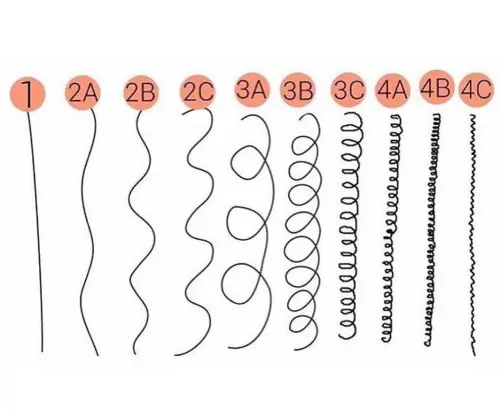
Hair Type Chart with Different Types of Waves and Curls
Andre Walker created the universal hair typing system, which classifies hair into 12 types grouped within four main categories:
@hairyum
- Type 1: Straight hair.Straight hair types tend to be shiny, oily and almost unresponsive to common curling techniques. While there are subcategories: 1A, 1B, and 1C, the differences between them does not call for different hair care routines, so these are often described together in the hair typing system.
- Type 2: Wavy hair. Type 2 hair is the happy medium between straight and curly hair; not too oily and not too dry. There are three specific type 2 wavy hair types: 2A, 2B, and 2C, all with soft S-like curl shapes.
- Type 3: Curly hair. Type 3 curly hair is in the middle of the curly hair scale. It has naturally defined curls in the form of ringlets and is quite dry because the natural oils found in the scalp do not reach the entire hair strand. The curly hair type also has three subtypes: 3A, 3B, and 3C.
- Type 4: Kinky Hair.Type 4 coily hair texture is characterized by tightly coiled locks that are common for African American women. Unlike in type 3 hair, the curls are not defined and tend to be very fragile, even though several strands packed together make it look very thick and strong. Like all other hair types from the typing system, it has three different subcategories: 4A, 4B, and 4C.
Understanding your hair texture helps you choose appropriate care routines, styling products, and hairstyles. Use the system to identify the true characteristics of your strands.
How to Identify Your Hair Type
Did you assume you could determine your hair type just by looking at the chart?
Finding your hair texture is not simple. The problem is a cycle: inappropriate hair care and styling prevent you from recognizing your natural curl type, leading to repeated mistakes. A TikTok trend that introduced many women to the curly‑girl method illustrates this point.
Break the cycle and accurately determine your hair type by avoiding permanent curling, straightening treatments, and heat tools for several months. To accelerate the return to your natural texture, consider trimming hair damaged by heat or chemicals.
If you haven’t had any perms and don’t frequently use hot‑tool styling, washing with a gentle shampoo and letting your hair air‑dry (without a blow‑dryer or towel) may be enough before you examine it. Below is a simple five‑step experiment to help you determine whether you have any curls after just one wash.
Keep in mind that hair length can add weight and alter the appearance of your curls. Therefore, if your hair is very long, let it dry in a plop and determine your curl type before the strands stretch under their own weight.
Keep in mind that having two different hair types simultaneously is normal. However, don’t be discouraged: these types are similar and follow the same basic maintenance rules. Read on to learn them all.
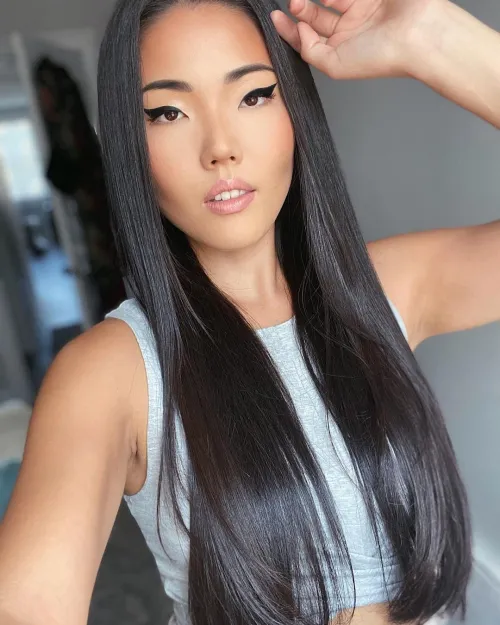
1A Hair Type: Completely Straight
Hair that is completely straight, extremely flat, thin, and lacks body, yet displays a noticeable shine. This type is rare, though many Asian women fall into this category.
1A hair is very difficult to curl. To add texture, use dry shampoo or other texturising products. Avoid hair oils and sprays, as they can make already oily hair overly greasy.
@alexandra.g.g
1B Hair Type: Straight with Some Texture
Type 1B is straight, though not as flat as 1A, and features a medium texture. It can retain a curl, particularly at the ends, and possesses greater body and texture.
Avoid heavy butters, serums, and frequent shampooing, especially if your straight hair is fine. Instead, add volume at the crown to make your hair appear fuller and more attractive.

@mariajoseloral
1C Hair Type: Straight with Soft Bends
Among the three types, 1C has the greatest body and the softest bends; it is the most likely to hold a curl and has a loose texture.
Owners of these hair textures can choose any hairstyle without worrying that humidity will alter the cut. The same advice applies: using less shampoo and avoiding oily products helps maintain a fresh, healthy appearance.
@khmidan_yara
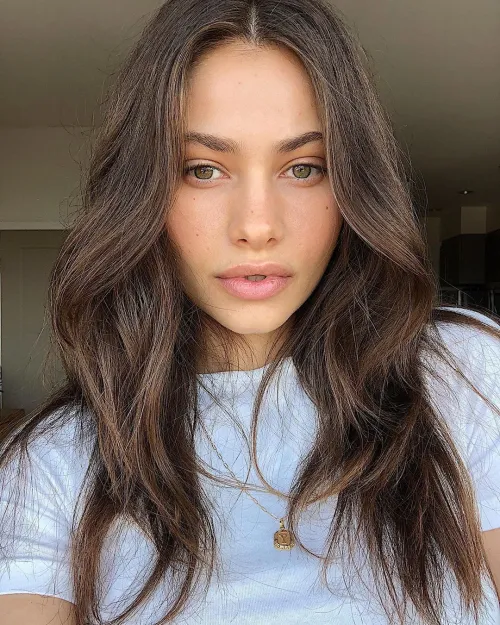
2A Hair Type: Tousled Hair
Type 2A hair features the coveted beach‑wave look. It is straight at the roots and becomes wavy from around eye level. Compared with other type 2 textures, 2A hair is less frizzy and can be worn curly or straight.
Avoid oil‑based and creamy products; instead, use mousse and gel to define waves, and apply hair powder for root fullness.
@esrrrakurt
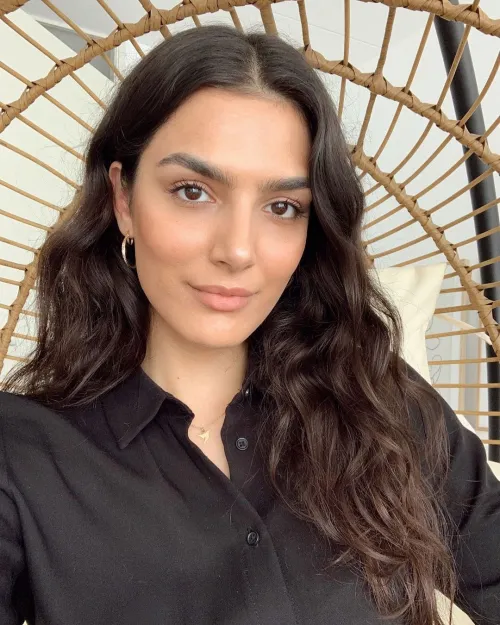
2B Hair Type: S-Shaped Waves
Type 2B features defined waves and typically shows a slight amount of frizz. Similar to type 2A, it is flatter at the roots and displays a finer curl pattern that begins around the eye area.
Try mousses, gels, cream‑gels, or sea‑salt sprays to define and enhance your hair texture, and feel free to experiment with a variety of wavy bob hairstyles.
@madelynneross
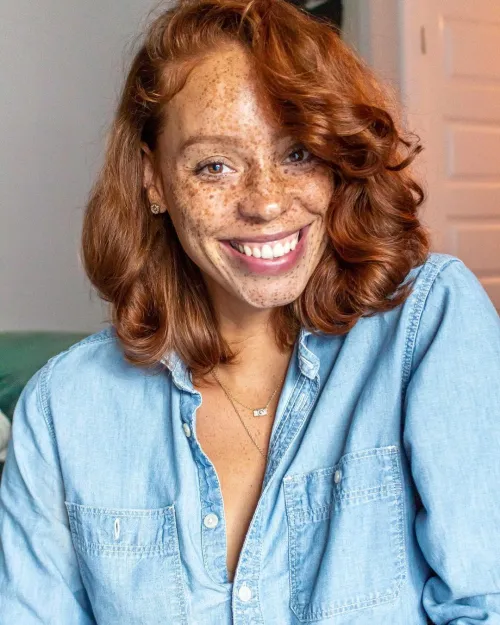
2C Hair Type: Wavy Hair with a Few Actual Curls
Type 2C hair, the frizziest of the three, features very tight waves that curl around themselves, giving extra bounce and blurring the line between wavy and curly patterns. The strands are also slightly coarser than those of other wavy hair types.
Brushing waves and then straightening them to control frizz can easily damage this beautiful hair type. To preserve these lovely waves, follow a wavy‑hair styling routine, use anti‑frizz stylers, and choose products that protect curls from humidity.
@lilylikecom
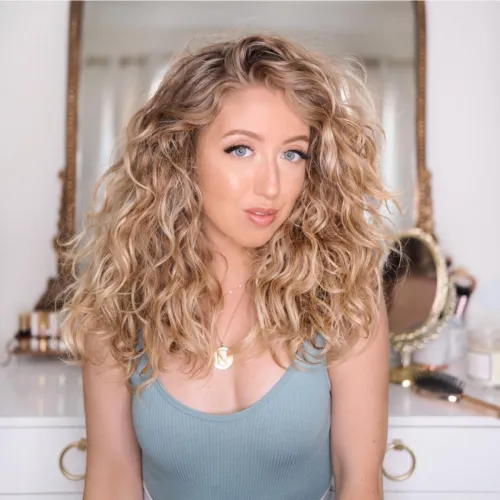
Type 3A Hair: Large, Loose Curls
3A hair texture features loose, Shirley Temple‑style curls. Its looser shape adds shine and requires minimal styling or product. However, without proper care, the curls can become dull and damaged.
Use a cream or curl refresher to scrunch your curls and give your bouncy spirals a needed boost. If you live in a humid climate and are struggling with frizz, try these simple hairstyles for frizzy hair.
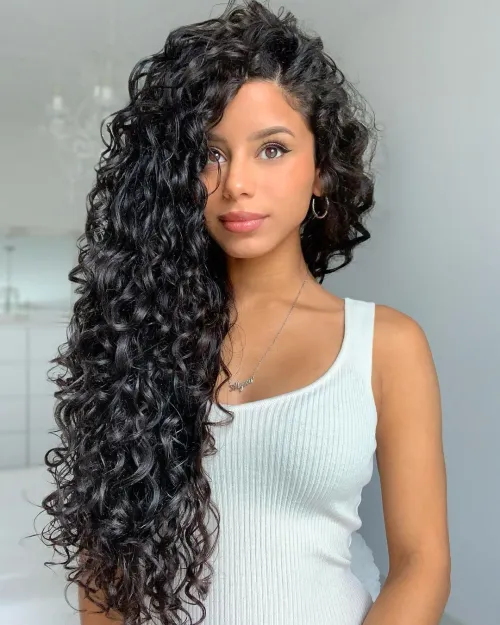
@alyssarxs
Type 3B Hair: Springy Ringlets
These curls are either bouncy spiral ringlets or tight corkscrew-like twists. This hair type can be highly frizzy and may need styling gels or hair creams.
3B hair often dries out, so ensure it receives adequate moisture. To avoid frizz, apply products to wet hair. Avoid frizz‑taming products with silicone or sulfates, as they can increase dryness and breakage. Instead, deep‑condition your hair regularly.
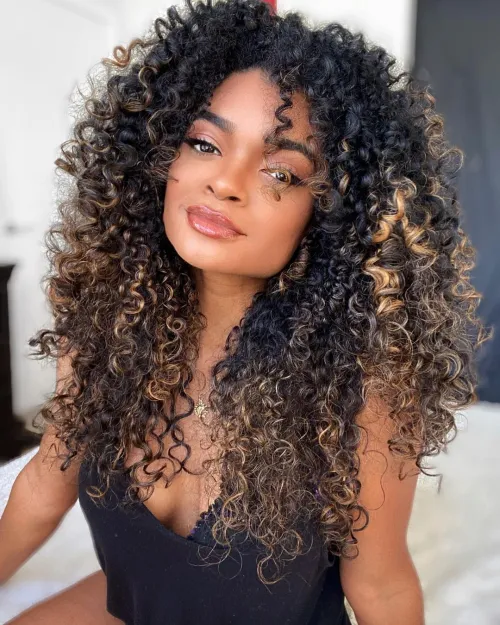
@beautybytaramarie
3C Hair Type: Tight Corkscrews
Type 3C hair was not originally included in the Andre Walker hair‑typing system; it was later added by NaturallyCurly.com. This type features tight, highly textured curls that provide significant volume. The curls are fairly well defined, though they are not as smooth as those of the other curly hair types.
If your hair is type 3C, dryness is the primary concern. In addition to applying moisturizing leave‑in conditioners, avoid blow‑drying and combing your hair. To ensure the best haircut, ask your stylist to use the DevaCut technique on your curls.
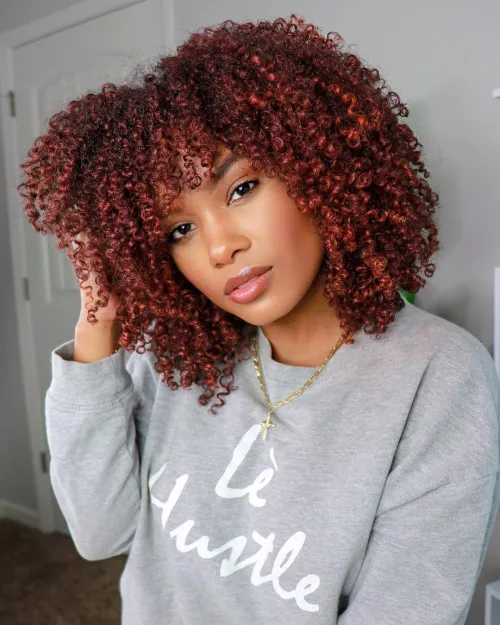
@lyssamariexo
4A Hair Type: Dense Springy Coils
Type 4A hair features tight coils that form an “s” shape when stretched. The curls are cylindrical, springy, and represent another level within the overall curl classification. Compared to other type 4 textures, 4A hair shows a more defined yet looser curl pattern.
Although type 4 hair has a high volume, it is the most fragile and prone to damage. Its tightly coiled pattern prevents scalp oils from traveling more than one or two inches down the shaft. Consequently, caring for type 4 hair involves regular moisturization, protective hairstyles, and minimizing chemical and heat styling.
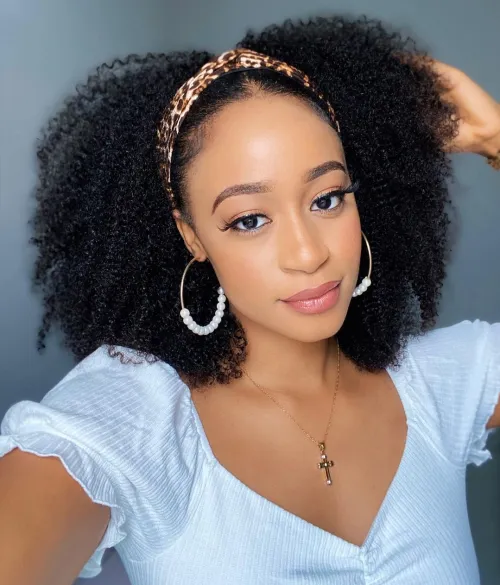
@sharon.nwosu
Type 4B: Z-Shaped Curls
Unlike the cylindrical pattern of 4A, this hair type has tighter, crimped textures that, when stretched, form a “z” shape rather than an “s”. The ends of the hair shaft typically show a more distinct pattern than the roots.
Besides a large afro, you can style your hair with a twist‑out or a shingling technique. You may also choose protective hairstyles to reduce frequent washing and styling, which can damage type 4 coily and kinky hair.
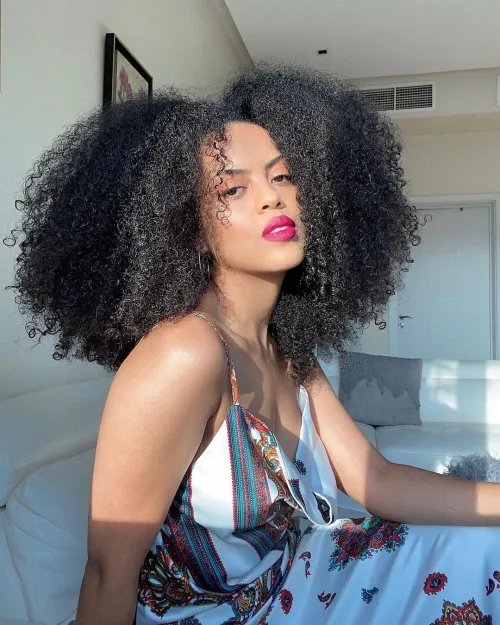
@himenatural
4C Hair Type: Curls with Zigzag Pattern
Like type 3C, this hair type was not originally included in Andre Walker’s Hair Typing System. However, type 4C hair differs from other 4 types because its curls form a zigzag pattern that often lacks definition.
A notable characteristic of 4C hair is that it can shrink to just over half its length when dry, a concern that can be mitigated with leave‑in conditioners. As the most delicate hair type, 4C hair needs extensive nourishment; therefore, natural oils and shea butter are often the preferred products.
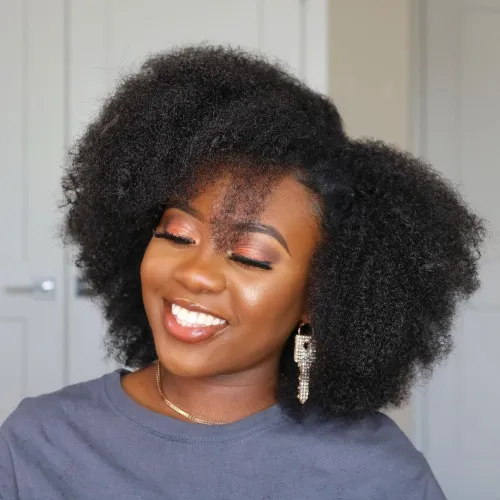
@adannamadueke
Looking Beyond Hair Texture
Although hair structure largely determines which products and how many you should use, also consider other factors such as hair thickness, strand diameter, and porosity (the hair’s ability to absorb moisture).
For example, heavy products can flatten thin, fine hair, so it is better to choose lighter mouses. Similarly, even type 1 hair will need moisture when its porosity is high due to bleaching or heat damage. Likewise, coarse hair requires heat to help conditioning treatments penetrate the shaft, whether the hair is wavy, curly, or coily.
There are many hair types, each requiring its own specific care. One thing is certain: every hair type can look flattering on its owner. Begin by reviewing the list of hair types to identify your own and learn to nurture it rather than fight it.