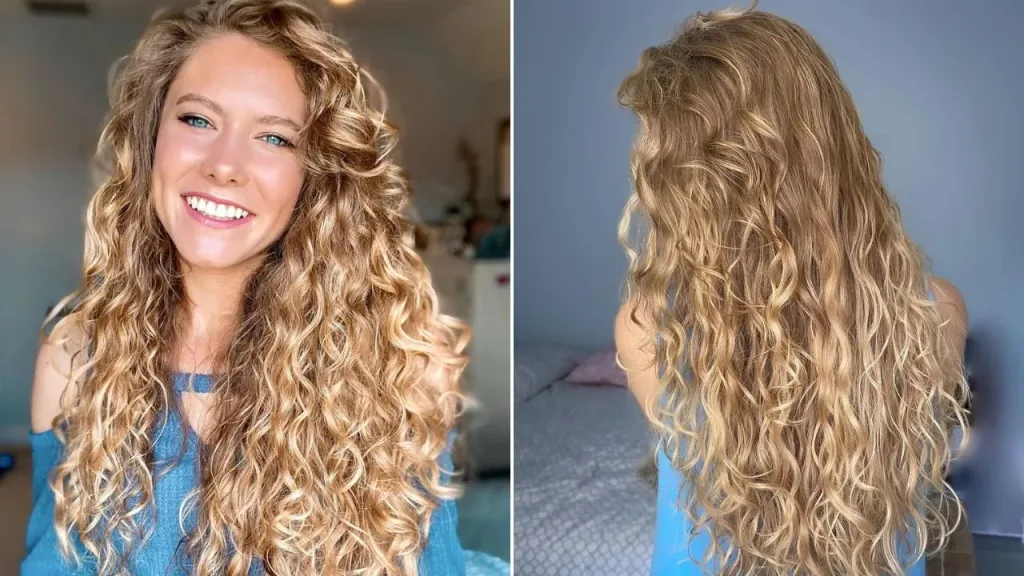
Wavy hair is unique and beautiful, but styling it can be challenging. One day your waves may appear springy with spirals, and the next they seem almost straight. Have you noticed different wave patterns in various sections of your hair? I have—why does it tend to be curlier near the roots? How can I avoid a stringy look while achieving soft, defined waves without frizz? Read on for my comprehensive guide based on the Curly Girl method!
1. Start with the Curly Girl Method
The Curly Girl Method provides guidelines for caring for curly and wavy hair, emphasizing the avoidance of sulfates, silicones, heat, and mechanical damage. Various lists of CG‑approved hair products exist. While it offers a solid foundation and can help repair damaged hair, you may later find the need to modify the method as you become more familiar with your waves. If you prefer to use a brush, feel free to do so. Because waves can become weighed down easily, I recommend not relying solely on co‑washing (using only conditioner).
2. Use Lightweight Products and Avoid Heavy Ones
This is a real game-changer. Waves can easily become weighed down, so it’s best to use lightweight products. Lightweight products contain few or no oils and butters, while heavy products typically include five to ten oils or butters, such as coconut oil or shea butter. To learn more about what makes a product light or heavy, see the post below. For a list of my recommended lightweight products, see the following post.
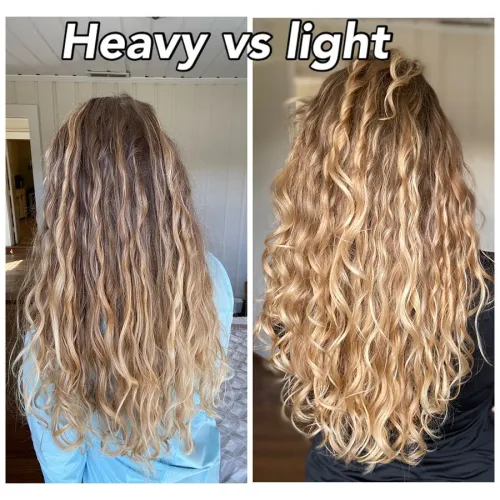
@katherinepagewaves
- Shampoos (Hairstory, Original Moxie, Cantu, Not Your Mother’s, Treluxe)
- Conditioners (DevaCurl, Giovanni, Herbal Essences, Not Your Mother’s, MopTop)
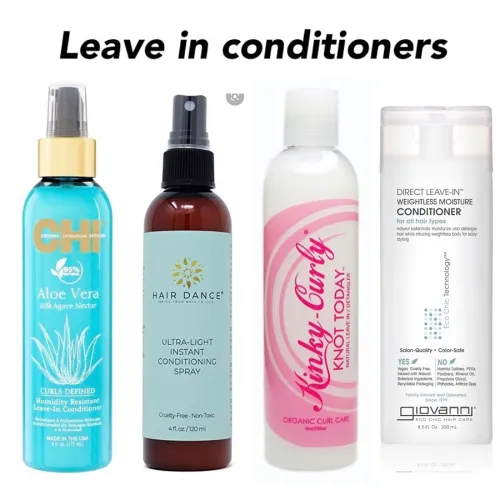
- Leave-in Conditioners (Hair Dance, Kinky-Curly, Giovanni)
- Creams (Hairstory, Not Your Mother’s)
- Clear Stylers/Custards (Original Moxie, Treluxe, MopTop, Taliah Waajid)
- Mousses (Not Your Mother’s, Curl Talk)
- Gels (Treluxe, Original Moxie, Ecoslay, ION, Giovanni)
3. Clarify Once a Month
For your regular routine, use a gentle, sulfate‑free cleanser. Over time, product can build up, so give your hair and scalp a thorough, deep cleanse periodically. Choose a sulfate shampoo or a clarifying shampoo and use it at least once a month. Below are my favorite $1 clarifying shampoo and extra tips on how to use it.
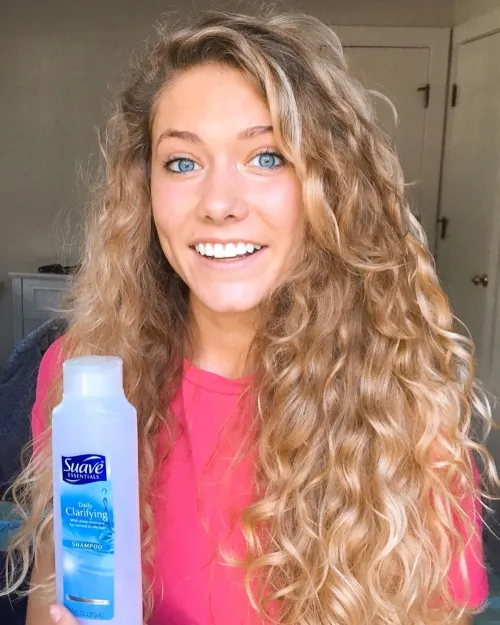
@katherinepagewaves
4. Make Hair Saturated and Feeling Like Seaweed
While showering, detangle your hair when it is fully wet and apply a generous amount of conditioner. The hair should feel slippery, similar to seaweed, allowing you to run your fingers through it easily. This ensures proper hydration, which is essential for preventing frizz and achieving optimal results.
Consider conditioner the foundation of your hair care routine. For very dry hair, leave some conditioner in instead of rinsing it all out. To reduce frizz and add moisture, follow this approach. If you have fine waves and want more volume and body, rinse the conditioner completely or use only a small amount of leave‑in product.
View this post on Instagram
Below are my favorite lightweight conditioners and leave-in products.
5. Condition a Lot or a Little
Create curl clumps by applying ample water and a conditioner or leave‑in conditioner. A curl (or wave) clump refers to a small section of hair that adheres together, forming a thick, single wave or curl. This technique is essential for defined waves; watch my video to see the method.
When you’re ready to style your hair, flip it upside down while rinsing. This encourages curl clumps to form and enhances root volume, which can be difficult to achieve with wavy hair.
@katherinepagewaves
6. Achieve Curl Clumps
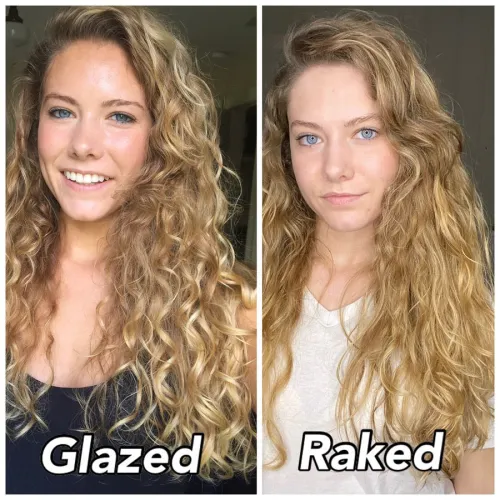
Begin with hair that is thoroughly wet and apply the product using the praying‑hands or glazing technique. Previously, I would towel‑dry my hair right after showering, then work the product in, which left my waves uneven, frizzy, and stringy. Sufficient water allows the product to distribute evenly, and the praying‑hands method helps prevent the waves from stretching too much. Notice the difference below?
If tip #8 didn’t work well for you, that’s fine—it just means you need to experiment. Try applying your products in a different order that better matches your hair’s porosity, or use alternative methods such as a styling brush or applying them to damp hair. Starting with soaking‑wet hair and praying hands is a solid baseline, but everyone is different, so feel free to experiment.
View this post on Instagram
Plopping involves placing wet hair on top of the head into a microfiber towel or T‑shirt instead of twisting it. A T‑shirt reduces frizz, while a soft microfiber towel absorbs more water, shortens drying time, and helps preserve curl clumps. See how I do it.
7. Flip Your Hair
The cup‑and‑hover diffusing technique provides maximum control, letting you select either a defined, controlled style or a fluffy, voluminous one. It also reduces heat damage to the ends. To start, hover the diffuser near the roots, cup the hair with your hand, and lift it into the diffuser.
8. Pray the Products Work
Although many advise against touching hair while it dries, I always scrunch it during air‑drying. Because my hair is fine, I try to maximize volume. A slight frizz is acceptable if it adds fullness, but I apply the technique gently to keep frizz to a minimum.
@katherinepagewaves
9. Modify Your Styling Application
Related Post: Seven Tips for Preserving Curly Hair Overnight.
10. Pile and Plop Your Hair
Excited to begin styling and wearing your hair wavy? You’re not alone. Instagram hosts a vibrant wavy/curly hair community that shares tips, tricks, tutorials, as well as frustrations and setbacks. I value this community for its inspiration, encouragement, and fellow curl enthusiasts. Two of my favorite accounts are @coffeecurlygirl and @wavycurly, known for their beautiful waves and helpful advice.
Looking to create a Curly Girl hair routine for wavy hair? Visit my page for additional tutorials, scientific explanations, and everything related to waves. I welcome you to join this community.
View this post on Instagram
11. Try to Cup and Hover
The cup-and-hover-diffusing method gives you the most control and allows you to choose if you want a more defined, controlled look or a fluffy, voluminous look. Not to mention it minimizes heat damage to your ends! Begin by hovering the diffuser near your roots and using your hand to cup the hair and bring it up to the diffuser.
View this post on Instagram
12. Scrunch While Air-Drying
This is a somewhat against popular opinion, which is to not touch your hair while it’s drying, but I always scrunch while air drying! My hair is quite fine, so I will take all the volume I can get. I don’t mind a little frizz if it means my hair is a bit fuller-looking. I just make sure to do it very gently so as to not cause too much frizz.